
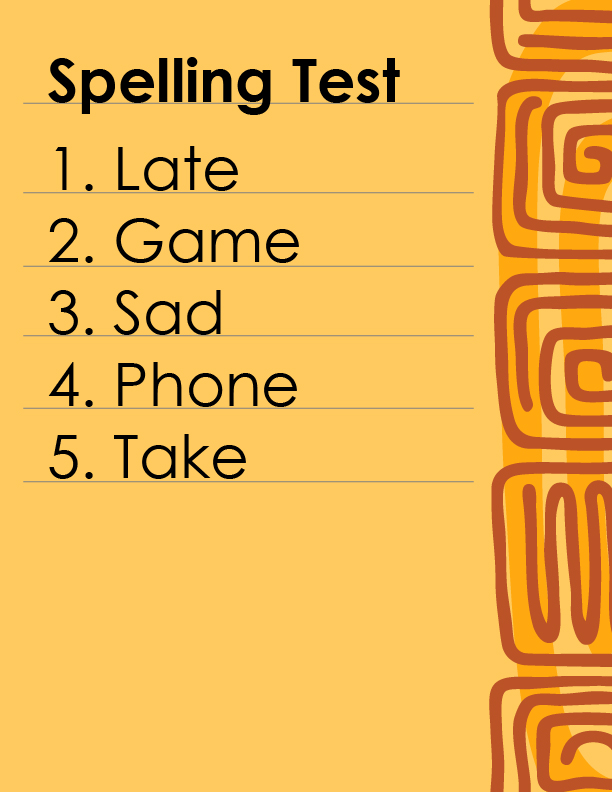
 Upon completion of this section, you will:
- Understand semantics, morphology, mental orthographic images, phonics, phonological awareness, and why these areas are important for spelling
- Find specific suggestions for each section discussed
Building blocks for spelling
On the surface, spelling seems like an easy thing to teach.
A student with disabilities may need certain accommodations in the classroom such as extra time on exams, assistance with note-taking, or dictating an essay orally. If you’re wondering which accommodations are appropriate for you, and how these accommodations will affect your performance in the classroom, we have a must-read piece for you!
New neurological studies are showing that our knowledge of how the human brain functions and learns could be the key to more effective teaching of children with learning disabilities.
This past summer, 45 college admissions deans from across the country met at Stanford University to learn about high-achieving dyslexic applicants.
For children showing early signs of dyslexia or other reading challenges, The Luma Center has introduced a new program, Nemours BrightStart!, a pre-reading program for young children.
As the new school year progresses, instead of breaking open your own bank accounts to buy items your classrooms need, check out this website that gives online resources that may help you receive free money and supplies!
In an article entitled What are Classrooms Like for Students with Learning Disabilities?, Kate Garnett delves into common classroom practices that make it difficult for students with disabilities to learn, and how to avoid them.
Marilyn Nippold succinctly highlights the reasons that speech-language pathologists belong in the classroom working side by side with classroom teachers to assist children with language disorders.

The following is a list of some programs that have been developed for struggling writers.
Dyslexia from a Parent's Point of View — Q & A
Read this interview with a parent whose time and effort made all the difference for her daughter with dyslexia.


Success starts here!
About us
Our goal is to help individuals with dyslexia, as well as parents, employers, and professionals of all kinds who have the privilege to work with dyslexics to better understand dyslexia and language disability, including current research findings and how to design intervention contexts based on best practices.
Contact us
DyslexiaHelp
University of Michigan
Marsal Family School of Education
610 East University Avenue
Ann Arbor, Michigan 48109-1259



© 2026 The Regents of the University of Michigan. All Rights Reserved.