

New research shows that lockable phone pouches can improve student well-being over time, even if they don't boost test scores.

Michigan lawmakers are proposing science of reading training requirements to strengthen literacy instruction and improve student reading outcomes.

New bipartisan legislation would explicitly recognize dyslexia under federal education law and expand support for students with reading disabilities.

A recent New Yorker article examines how decades of research on dyslexia and reading instruction have often been overlooked in classrooms, despite strong evidence supporting structured literacy approaches.
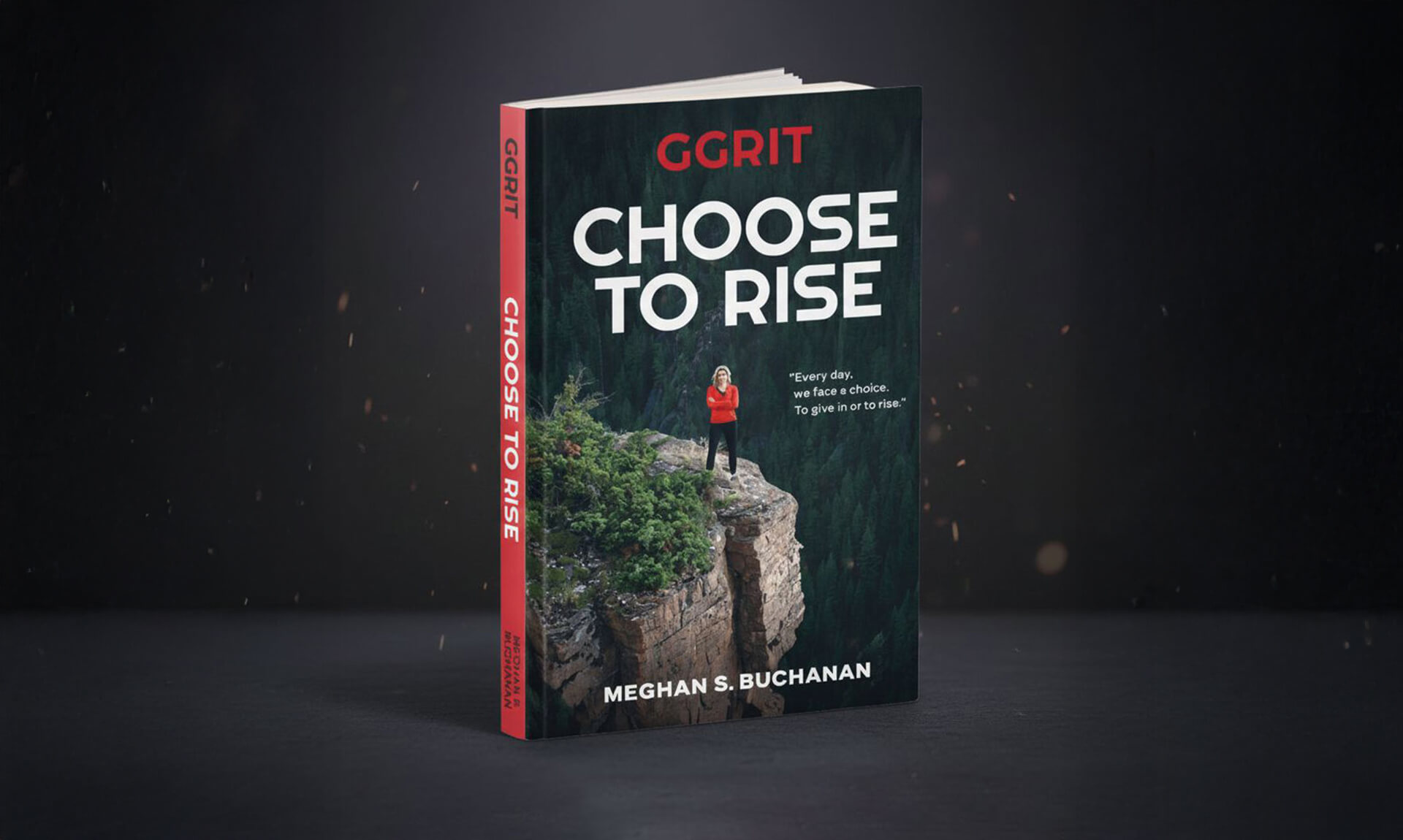
In her new memoir, GGRIT: Choose to Rise, Meghan Buchanan shares how dyslexia, determination, and resilience helped her overcome obstacles and achieve extraordinary goals.

Arizona has a literacy goal that 72% of third graders will read proficiently by 2030, but they are far from that with less than 40% of Arizona third graders reading proficiently in 2024.

Explore how our website redesign sets the stage for dyslexia success in the years to come.

AI has the potential to individualize instruction in ways traditional accommodations cannot.

2024 Education Scorecard Reveals Pandemic's Ongoing Impact on Student Achievement

English naturalist Chris Packham explores the real-life effects of dyslexia.

Study finds that people with higher genetic risk for dyslexia tend to have lower volumes in brain regions related to speech-sound processing and coordination of movement and higher levels in the visual cortex.

A new study looks into how AI could be trained to help screen children for dyslexia and dysgraphia based on their handwriting and spelling.

The donation will go toward FISD’s special education department in support of its dyslexia support and services.

If you are concerned that your child may have dyslexia, here are some signs to look out for.

New research out of the University of Birmingham in the UK suggests that the definition of dyslexia needs to be updated to better describe it.

Georgia State University Just Received a Grant From the Georgia Department of Education for Dyslexia
This grant comes after the passing of Georgia senate bill 48 which is aimed at providing support to students with dyslexia.

New law requires Colorado schools to screen all students starting in 2027.

Dyslexia is often misunderstood, surrounded by myths and a narrow view that ties it mainly to the English language.

Handwriting is rapidly fading in favor of digital typing—jeopardizing cognitive development, sensory richness, personal expression, and even our ability to engage with historical documents.

PBS NewsHour highlights parents’ efforts to overhaul how reading is taught in Arkansas.

Left Behind showcases five New York City mothers campaigning for years to establish the South Bronx Literacy Academy—a specialized public school using evidence‑based methods to support dyslexic students

The article reports that a study in Scientific Studies of Reading found that explicitly teaching 3rd– and 5th‑graders to analyze word parts (morphemes) significantly improves their ability to grasp suffix meanings—especially in older students—compared to relying on context alone.

A Harvard-led MRI study found that infants aged 3–8 months with a familial risk for dyslexia already exhibit distinctive white matter and brain connectivity patterns, enabling identification of at-risk children well before they begin struggling in school.

Landmark initiative aims to boost literacy rates across the state.

Two bills recently passed under the House will allow students within Michigan to be screened for dyslexia.

Appearing on the SmartLess Podcast, Winkler recounts how Dyslexia influenced his prolific career

Research suggests analyzing children’s handwriting may provide early diagnosis and targeted support for dyslexia.

A study of Dutch university students with dyslexia found that perceived negative consequences, such as academic challenges and mental health issues, are more strongly influenced by self-perceived literacy skills and environmental factors than by objective cognitive abilities.

Article published in Neuropsychologia suggests association in children with Dyslexia.

A review of dyslexia highlights specific topics within dyslexia to argue for greater investment in research and professional formation.

Study looks at whether a child’s understanding of sub-lexical orthographic regularities predicts their reading development across one year.

Proposed Legislation Advocates for Dyslexia Instruction Reform. Critics Argue More Needs To Be Done.
Michigan Senate is set to vote on two bills, but critics argue more needs to be done.

Researchers assess the impact of the Literacy First K-1 program in the Austin, TX area.

This Scientific American article argues that changing how dyslexia is diagnosed could help more children get the support they need.


Researchers from SUNY Albany provide answers to common questions about the study and treatment of dyslexia.

Study finds that California schools received positive results from a focused investment in reading instruction following the pandemic learning loss.

Four bills introduced in the Michigan Legislature this month would aim to better identify and teach students with dyslexia, and jumpstart reform initiatives that have stalled in the past.

In response to the $53 million lawsuit in California regarding reading poor instruction, three literacy professionals analyzed school records to determine how well California schools instructed reading.

This podcast from the New York Public Radio follows one student closely on his struggle to gain appropriate instruction for dyslexia in NYC.

A systematic review of research addresses the social impact of schooling on children with dyslexia.

Researchers from the University of Oxford work to define dyslexia.

In a study conducted at the University of Iceland, researchers looked to study the association between visual word and face processing.

A BBC article outlines how dyslexia may vary in other languages.

Podcast outlines the importance of teaching children phonetics

Research indicates dyslexia may help people adapt to climate change.

The University of California San Francisco (UCSF) releases a free screening test to help students with dyslexia.

Research indicates 42 genetic variations that are tied to dyslexia.

The new Michigan dyslexia research guide will help both educators and students improve literacy skills and build more successful learners.

Stanford study uses brain waves to demonstrate how different teaching methods impact reading development.

University of Reading study combines multiple new methods in understanding the role of visual processing in dyslexia and finds that children with dyslexia are slower to process visual information.

A study shows significant reading progress after the use of an online program that works to support children with reading difficulties.

A longitudinal research study found that letter-sound knowledge, phoneme awareness, and rapid automatized naming (RAN) are important predictors of variations in reading development over letter-sound integration.

A study from MIT finds that students from a lower socioeconomic status have a greater chance of reading difficulties than those from a higher socioeconomic background.

An article from Nature Reviews Psychology describes the push for reforming diagnostic criteria for learning disorders as a result of COVID-19.

Recording of First World Dyslexia Assembly now available to view

A new article from Chalkbeat Detroit looks into the push to pass bipartisan dyslexia legislation to help students in the classroom.

This podcast from American Public Media Reports looks into how an idea about reading instruction spread in classrooms even though it was proven wrong by scientists years ago

If your child is struggling with these issues, these tips will help him regain his balance and get the most out of school

New podcast investigates the widespread failure to teach reading in schools.

A new article from TIME looks into the push to bring phonics to the forefront of reading instruction.

Popular elementary school reading intervention program Reading Recovery is the subject of renewed scrutiny with the release of a group of working papers from a recent study into its efficacy.

A new partnership with Made By Dyslexia reframes the condition as a strength.

This Capital Area District Library CADL Cast podcast features Dr. Pierson talking about dyslexia and DyslexiaHelp as part of the library’s efforts to highlight Dyslexia Awareness month.

DyslexiaHelp was designed more than a decade ago as an evidence-based dyslexia curriculum for those with dyslexia, parents, professionals, and educators. Our new home at the U-M School of Education supports that mission and provides many new opportunities for the future.

A new study finds that when "intellectually able and motivated students with dyslexia are given academic opportunity at a rigorous institution they can succeed academically, professionally, and personally".

Equipped For Reading Success is a comprehensive step-by-step program that bolsters phonemic awareness and fluent word recognition in order to promote orthographic mapping.

What is going on in Mississippi? In 2013 the state began making big investments in training its teachers in the science of reading. And the investments seems to be getting results.

Shaun Sanders, whose story of growing up with dyslexia, putting his faith in his strengths and accepting his weaknesses through high school, college, and then law school was featured on Dyslexia Help a few years ago. Nearly 5 years later, Shaun has launched a startup with a goal of helping law students study more efficiently for the Bar exam.

If you think listening to an audiobook isn’t as effective as good old fashioned reading, you may want to learn about some new research that compared the two.

This study investigated the predictive relationship between key phonological language skills and early reading development in a sample of 191 children, averaging 4 years and 6 months in age. In addition, this study explored the theory that the failure to establish an automatic association between letters and speech sounds is a proximal causal risk factor for difficulties in learning to read.

When should you tell people about your dyslexia? And when is it better to keep it private?

You may have seen a recent letter to PBS from “experienced senior scholars in the field of reading and literacy education” that took issue with an April 30, 2019 PBS special on dyslexia...

Summer is the perfect time to help children’s interests guide them in what they explore and learn about. Podcasts, or spoken audio, can be both educational and entertaining, are free, and cover a wide range of topics.

In this free app, Leo the Lion teaches the basics of multiplication before putting them to the test.
Taking special consideration of the role of a speech-language pathologist (SLP) in a child’s development, this article looks at the relationship between dyslexia and speech sound production deficits
Phonological awareness (PA) and rapid automatized naming (RAN) are two common indicators associated with children's reading development.

A new study examines whether telling and retelling stories out loud in a classroom setting helps first-graders’ writing quality.
Voicepods is an easy-to-use online platform used to convert text to speech for a variety of purposes.

Dog on a Log books are a systematic, decodable book series written for anyone learning to read with phonics including learners with dyslexia.
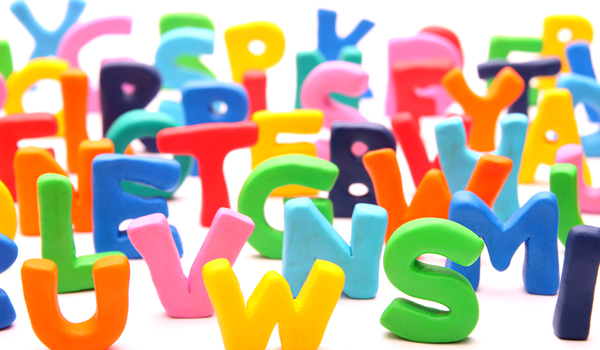
This research looks into the effects on reading of using the Dyslexie font compared to mainstream fonts, and uncovers the reality of specialized fonts such as Dyslexie.
The authors from Additude--an ADHD-focused magazine--carefully dissect popular brain training and memory games in search of an answer.
LD Navigator is a clinical tool designed for healthcare professionals to help them gain a better understanding of learning disabilities to be used in their practice.

Has your child ever dreamed of going to space? An online-based project called Storytime from Space lets kids get an inside look at what it’s like inside the International Space Station while also building literacy skills.
Mr. Thorne has a highly followed YouTube channel that includes helpful videos for learning to read from early phonics to grammar.

Aimed at students in secondary school, DocsPlus is a resource that gives support to students so they can independently learn and understand course curriculum.
The transition from high school to college can be hard for any student. For dyslexics, this task can be especially difficult because of their existing challenges with reading and writing.
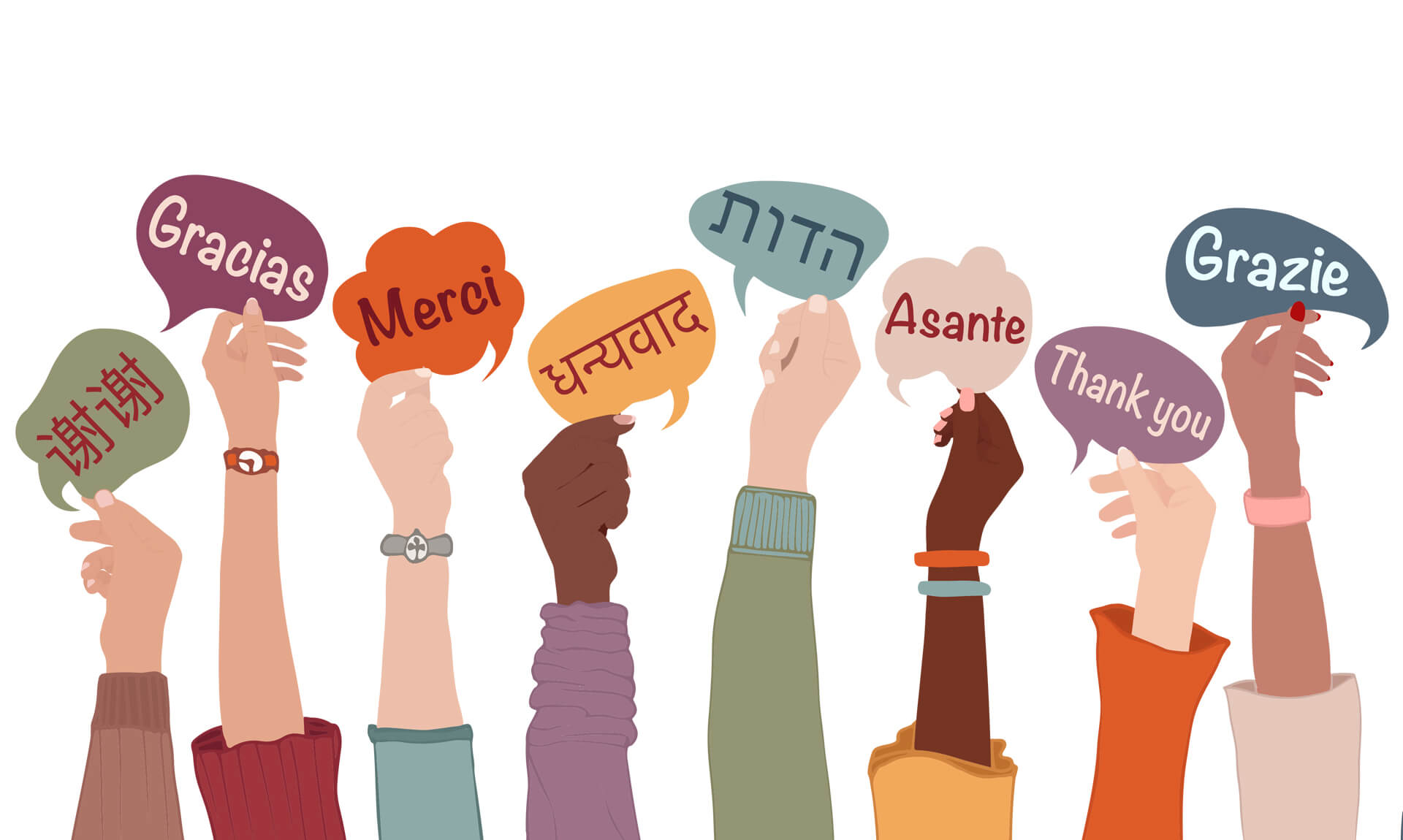
In this introductory piece written for a special issue journal about dyslexia across languages and contexts, Kenneth Pugh and Ludo Verhoeven do a great job at outlining what we know (and what we don’t) about dyslexia in other languages.
Touch-type Read and Spell (TTRS) is a training program for anyone with difficulties with reading, writing, or spelling. Its highly-structured program is aimed at dyslexic individuals, with positive reinforcement aspects to increase confidence and self-motivation.
New assistive technology such as iPads, computers, and other tablets have become increasingly popular in education.
The definition of learning disabilities (LD) and its identification procedures have changed dramatically throughout the years, calling to attention its implications for children with these disabilities.
ABC Reading Magic is a 5 part series of apps that build off each other to improve reading skills.
A “neuromyth” is described as a common misconception about brain function and research and are often related to learning and education. A study published in August 2017 by Macdonald, Germine, Anderson, Christodoulou, and McGrath looked into the belief of neuromyths among different levels of educational background, hoping to discover ways to better children’s education.
NoRedInk, an online startup company started by a passionate high school teacher, has introduced a way for learning grammar to be enjoyable for students. By using a fun and adaptive platform, NoRedInk helps students navigate tricky grammar constructs and improve their writing skills.
For dyslexics and those who struggle with words, Vocabulary.com is a very useful tool to master vocabulary.
The study of metacognitive processes, which are those that pertain to cognitive function during learning activities, is widespread and investigates the many ways that children learn.

Kids Read 2 Kids is a free online website founded by 3 young siblings - Jacob (15), Alana (17), and Reuben (11).
Although dyslexia is known for being a reading disability, the condition goes hand in hand with writing and, as you’ve probably already noticed, your students may be finding it difficult to grasp some of the main writing concepts. To get you started, here are seven tips you’ll need to know.
Rainbow sentences is an interactive app that helps students break down parts of sentences to improve their grammar skills.

DyslexiaHelp would like to give a big thank you to Penguin Random House Audio Publishing for the over 80 titles on audiobook CDs that they gave to DyslexiaHelp visitors over the summer.

A 2017 research article further disproves the common misconception that dyslexia is associated with vision problems, and offers insight to what parents and doctors can do better.
Apple introduced built-in scanning to its Notes app as a part of the update, eliminating the need to download a different app or use a scanning machine.

The conversation about a child’s challenges in school can be difficult, especially when there are so many terms to keep track of. This post aims to clarify that common confusion, allowing for better communication between parents and educators.

Written by a 5th grade teacher, this article discusses the dangers of unidentified dyslexia and the toll this can take on students - both psychologically and in their work.
The newest Windows operating system update has tools such as Microsoft Learning Tools which will help students with learning disabilities, like dyslexia, improve their reading comprehension.

In today’s technology-driven world, handwriting is becoming a part of the past. In a New York Times article published in 2014, many professionals are concerned about what we are losing as old-fashioned pen and paper is fading away.

Active and engaged reading WITH your child, not just TO your child, can have a lasting effect on language, literacy, and early reading skills.
Addition Games is an application for Apple products that teaches and reinforces simple addition skills. The app’s digital workbooks focus on addition for numbers 1-9 and are filled with fun graphics to help make the learning process more entertaining.
Word Hippo is a website with helpful vocabulary resources. The resource list is extensive, including synonyms, antonyms, word meaning (with example sentences), pronunciation, and rhyming words.

On-the-Go Fun for Kids: More Than 250 Activities to Keep Little Ones Busy and Happy—Anytime, Anywhere! (2015, Adams Media) is a collection of more than 250 fun and educational activities to keep your child engaged.

TeamQuest combines endurance training and fundraising to raise awareness of the difficulties some people have with reading and learning and enables anyone to be a part of a greater cause by improving their own lives while improving the lives of others.
SpeechCentral is an application for those who want an easier way to browse the web with text-to-speech technology.

Under a bill passed during the final day of its 2017 session, Virginia school districts would be required to have reading specialists trained in helping students with dyslexia.
Scrible is a “modern research platform” for both the professional and academic setting that helps with planning and composing articles, academic paper, and reports.

In this article, psychoanalyst, columnist, and bestselling author Gail Saltz provides an extract from her new book The Power of Different: The Link Between Disorder and Genius.

The IRS has defined dyslexia and ADHD as medical conditions. If properly documented, the many expenses of providing diagnosed children with the support they need to learn can be deducted as medical expenses.

When looking at kindergarten spelling performance, what is the best predictor of second grade spelling performance? See the results of a study that looked at this and what it might mean for how spelling is taught.
LANGUAGE! Live is a ELA (English Language Arts) curriculum for students who are below grade level in reading comprehension, fluency, and spelling.

Just this month, a group of parents and educators rallied together in Minnesota's Capitol Rotunda to raise attention to the needs of the dyslexic community as well as the deficit in resources directly plaguing a multitude of students
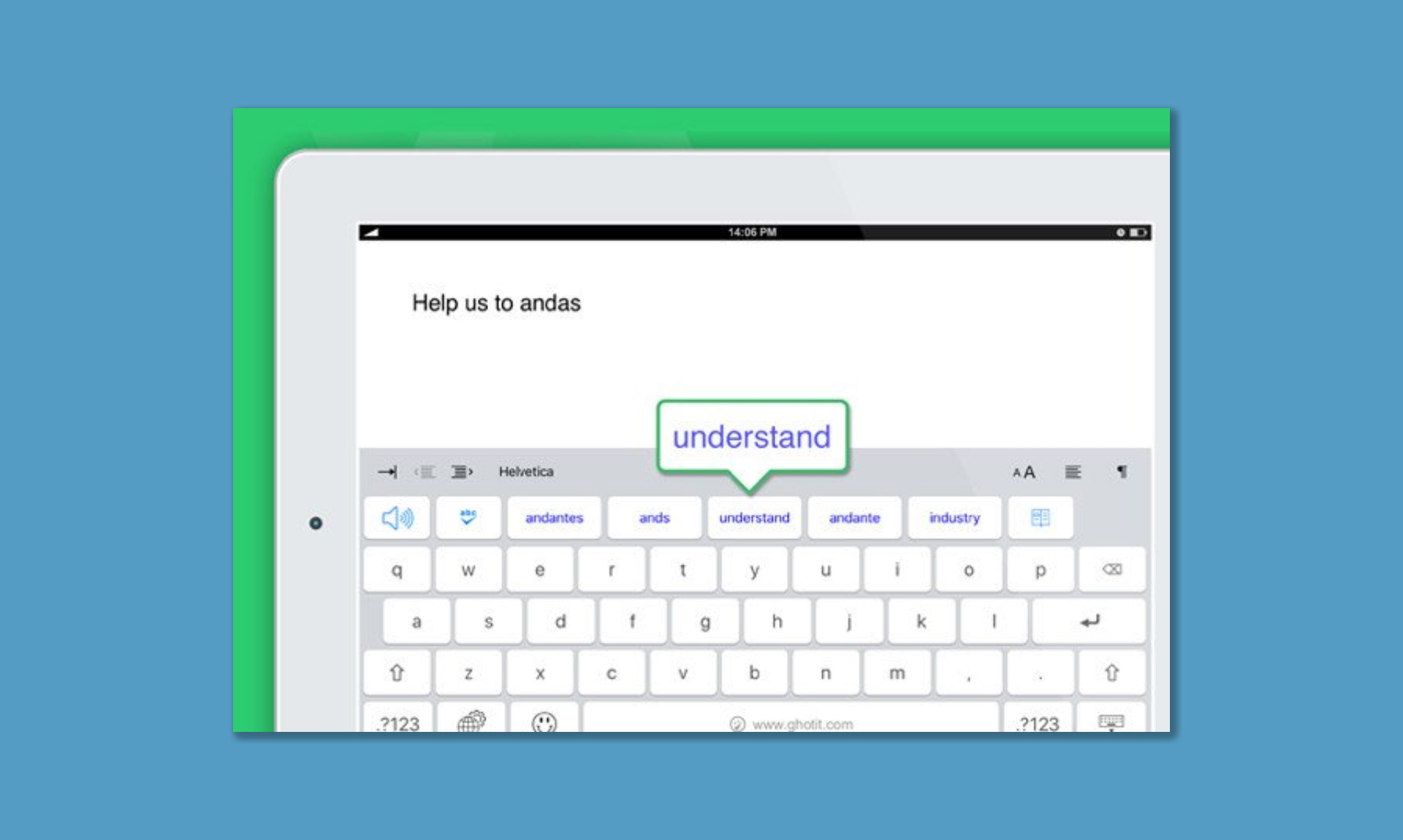
A new app for iPads, Ghotit Dyslexia Keyboard helps those with dyslexia and dysgraphia to type with ease.

Comparative Adjectives is an application for iPhone and iPad that uses sharp and colorful pictures to teach adjectives to young kids.


DyslexiaHelp has achieved sixth place on the list of the 50 best dyslexia blogs on the internet.
Using search results and social metrics, Feedspot compiled the selected the winners from thousands of top dyslexia blogs in their index.
The top blogs are ranked based on following criteria:
The application, Fry Words, uses Dr. Edward Fry’s 1000 high frequency sight words to create games and quizzes that teach young children the 1000 most frequent words they will encounter in grades 3-9.

Contrary to previous findings, a recent study has shown that there is no good evidence that working memory training improves intelligence test scores or other measures of ”real-world” cognitive skills.

Action Words is an application for iPhone and iPad that teaches beginner readers over 100 action words using real photographs to increase their early vocabulary and improve their writing skills.

A recent study suggests situational awareness instruction may be doubly important for novice drivers with dyslexia.
Produced by Montessori, Things that Go Together Matching Game for Kids is an application for IPhone and IPad that helps kids develop analytical and critical thinking skills, as well as spoken language skills.

A recent study finds new imaging technology may have the potential to help identify children at risk for dyslexia.

October is National Dyslexia Awareness Month. All across the country, communities will be making efforts to spotlight a range of dyslexic needs, struggles, and signs.

DyslexiaHelp’s own Dr. Joanne Pierson will be speaking on Friday, October 28 from 10:30–11:30 am on "The Importance of Oral Language Skills in Reading Comprehension: Making Sure the Intervention is Driven by a Good Assessment" with Dr. Lauren Katz and Dr. Karen Fallon.

If you were to read 100 stories about dyslexia, no two would be alike, and likely all would be inspiring. Such is the case with Aidan Colvin, dyslexic high school student, and author of Looking for Heroes: One Boy, One Year, 100 Letters.
The Mayerson Academy Orton-Gillingham Card Deck is an application for Android products that approaches grapheme-phoneme instruction using virtual flashcards.
Originally a story book, Blue Hat, Green Hat is an application for iPad and tablets that introduces kids to early reading skills in a way that keeps them learning and laughing.

Studies published in recent years have brought attention to the research and conclusions drawn about learning styles, some even calling learning styles a ‘neuroscience myth.’

Distraction is a card game that helps players improve their working memory skills while having fun.

Though the correlation between kids with dyslexia and poor writing ability is widely accepted, there have been few studies that attempt to measure the difference in quality between written and spoken compositions of dyslexics.
Speech Recognition Software, or SRS, have proven to benefit the lives of those with low typing or writing skills, including many dyslexics.
Continue the Monkey Preschool adventure with Monkey Math School Sunshine, an application for smartphones and tablets that teaches fundamental math skills to children 3-6 years old.
A blend of Endless Alphabet and Endless Reader, Endless Wordplay is an application for young children that builds a spelling and word building foundation for the soon-to-be-reading students.
Whispersync for Voice is a feature for Kindle apps and tablets that marries reading books and listening to them.
The KNFB Reader is an application for Android or Apple products that reads, using text-to-speech technology, any image of text taken with a smartphone or tablet’s camera.
Another installment of the Monkey Preschool application collection, Monkey Preschool Lunchbox is an application for preschoolers, ages two to five, which entertains and educates children with its collection of fruit-based games.

Recent studies suggest that by using neuroimaging technology, we can identify children as dyslexic as early as kindergarten and begin intervention before they start struggling with reading and writing.
Part of Originator’s line of “Endless” early academic applications, Endless Alphabet is an application that tackles early letter-phoneme relationships.
Monkey Word School Adventure is an application for both smartphones and tablets that covers all of the early concepts of reading and writing.
Sonday Systems 1 and 2 are successive reading intervention programs that take students through beginning and intermediate reading, writing, and spelling intervention.
American Wordspeller is an application for iPhone and iPad that assists users in their spelling of hard, and often unphonetically intuitive, words.

Here are five IOS math apps that can help dyslexic children improve their reading, writing, and number crunching skills.
ReadSpeaker TextAid is a reading, writing, and studying supplement for the classroom.
WordFlex Touch Dictionary provides a dictionary resource more interactive and extensive than traditional dictionary applications with more than two million language nodes.
Sherlock: Interactive Adventure, an application for the iPad, is an interactive ebook for students ages 14+ that contains the original text of Sir Arthur Doyle’s “The Adventure of the Red-Headed League”.
Try the features and abilities of OCR without committing to a purchase and software installation on your computer with the help of Online OCR, a website with free online OCR services.
A recent study, conducted by Kent Peter Nelson and Ryan Hourigan, examines the perceptions of dyslexic musicians whose dyslexia affects their music learning.
Leana Greene, serial entrepreneur and successful dyslexic, wanted a resource that would give her all of the answers that juggling three kids would produce, and became both founder and CEO of Kids In The House, the largest parenting video library in the world.
IDA's Annual International Conference is the premier professional development conference dedicated to reading, literacy and learning. The conference brings in experts from all over the world to educate attendees on the latest research, remediation, and more.
SightWords, an online resource that focuses on the learning of these key beginner’s words, provides both games for students as well as educational material for teachers and parents.

Grammarly is an online grammar checking website that can scan essays, articles, and other documents to find mistakes in the text.
Arnold Reading Magic is an application for the iPad that combines reading and spelling learning with the success of flashcard studying.
Sonocent’s Audio Notetaker was created to ease the difficulties of note taking for anyone who has trouble taking notes- from sitting in a lecture to a business meeting.
Both an online resource for parents and a research-supported curriculum for educators, the Handwriting Without Tears website is filled with tools to help with the often overwhelming handwriting learning process.

Bart Boets and fellow researchers at the Catholic University of Leuven in Belgium conducted a study to discover if they could actively see distorted neural patterns in the brains of dyslexics.
AutoText is an application for Windows PC that allows you to set up and store abbreviated phrases in order to speed up the typing process.

Anki is an advanced flashcard program that makes any kind of studying or learning better tailored to fit your learning pace.
Hairy Letters is an application by Nessy Learning Limited that is designed to help students 4-6 years old with recognizing the phonic value of letters along with the letters’ names.
Made in succession of Nessy’s Hairy Letters, Hairy Phonics 1, 2, and 3 are applications for your smartphone or tablet that teach young students the phonemes associated with the letters of the alphabet that were mastered in Hairy Letters
Standford University’s Bruce McCandliss and his colleagues Yuliya Yoncheva and Jessica Wise conducted an experiment hoping to shed some light on a connection between the way a child learns how to read and the brain’s changing circuitry.
NaturalReader 13 is a text-to-speech software that has a larger selection of natural sounding read-back voices than most similar software.
Using functional magnetic resonance imaging, a team of researchers at Yale monitored the brains of both nonimpaired (NI) and dyslexic (DYS) readers, finding that the DYS readers showed divergent connectivity when reading, meaning their brain didn’t regularly make the connection between the visual properties of a word and the semantic properties, or meaning of the word.
Reading Rainbow is an application for both Apple and Android products that makes over 500 hundred fiction and non-fiction books and supplementary videos available to your child or student.
Read&Write’s newest addition to their collection of text-help products is an application for your iPad or Android tablet designed to help those with dyslexia or other language-learning disabilities.


For many with reading difficulties, having text read out loud to them as they follow improves their reading abilities. Learning Ally Audio is a free app which contains over 75,000 audiobooks to help those with difficulties in reading.
Wolfram|Alpha is not only a great tool for those who struggle with math, but also for those who have difficulties in math because of dyslexia or other learning disabilities.
The C-Pen digital highlighter was created with the intention to make note-taking both easier and quicker.
Here are a few more resources and ideas that teachers can use in the classroom.
A new study suggests that playing action video games could improve the literacy skills of those with dyslexia.
Check out these five learning tools that were on display at this year’s BETT conference.
ModMath is a free iPad app that allows users to set up and solve math problems with a touchscreen and keyboard – no pencil and paper required!
A recent study by the University of Leicester suggests that young developing readers have a similar understanding of how letters at the beginning and end of words can help make sense of words, even if there are typos or jumbled letters in the middle of those words.
Researchers from Florida State University studied first- and second-grade students from schools representing diverse environments, finding that in circumstances with excellent teachers, the variability in student reading achievement may appear to be largely due to genetics.
Most students with dyslexia are not confident in an academic setting, but this does not have to be the case.
Google has developed a content management system for teachers to help manage the demands of their daily activities.
Interestingly, new research has shown that what we know about dyslexia in English may not be the same in other languages, specifically Chinese.
Emily Finn and her colleagues at the Yale University School of Medicine conducted a whole-brain functional connectivity analysis of dyslexia using fMRI.

The Codpast features monthly podcasts where you can hear inspirational stories from engaging dyslexics.
Matthew Schneps is both an astrophysicist, holding a Ph.D. in physics, and dyslexic.

The MIND Research Institute, an Irvine, California based nonprofit, has developed an exciting tool for classrooms called ST Math.

Apple recently released iOS 8, the latest software update for the iPhone, iPad, and iPod Touch, including updates for iDevice users that include many new features for accessibility and assistive technologies for people with reading disabilities, dyslexia, low vision, blindness, and others with reading troubles.

Sprint recently launched the Neurodiversity ID pack, a bundle of mobile applications targeted at helping individuals with cognitive and neurodevelopmental disabilities such as dyslexia and dyspraxia.

A new state law in Illinois entitles dyslexic students to special education services, and it creates a reading instruction advisory group that will train educators on how to identify and teach students with dyslexia.

A recent study from the University of Toronto and the University of North Carolina School of Medicine in Chapel Hill reports that adults who have dyslexia are much more likely to report that they were physically abused before they turned 18 than their peers without dyslexia.
Biologists at UC San Diego have recently conducted a detailed study of the neurons linking the eyes and the brains of mice hoping to discover how much our perceptions of the outside world are processed in the cortex.

Dyslexia: The Art of Struggle showcases dyslexic individuals and how their struggles have shown who they are and how they have learned to succeed.

DIY.org, a site that helps children gain skills and meet others who share their interests, allows kids to have their own portfolio where they can share what they do as well as earn skill patches for completing sets of challenges.
A recent study from Harvard School of Public Health and Icahn School of Medicine at Mount Sinai shows that toxic chemicals may be triggering the recent increases in neurodevelopmental disabilities among children including dyslexia.

A Padagogy Wheel (typo intended) created by Allan Carrington offers a useful perspective on how to figure out which iPad apps work with Bloom’s Digital Taxonomy.

Recent research led by Guinevere Eden, director of the Center for the Study of Learning at Georgetown University Medical Center, has cast serious doubts on the theory that dyslexia stems from deficits in the visual system.
There have, however, been some studies that help shed light on the dyslexia advantage question, although more empirical research is needed.

Recently, many scientists have taken a turn in their research and begun to identify ways in which people with dyslexia may have skills that are superior to those of typical readers, particularly in certain artistic and scientific fields.

Scholastic Inc., the global children’s publishing, education, and media company is teaming up with Intel Corporation to design interactive gaming content for kids and families.
Roi Cohen Kadosh of the experimental psychology department of Oxford University has found that a relatively new brain-stimulation technique called transcranial electrical simulation may help people learn and improve their understanding of math concepts.
Whizzimo is a tool that allows teachers or tutors to digitize textbooks, flashcards, and other physical tools for reading instruction.
The Joanne Ganz Cooney Center conducted a national survey of more than 1500 parents to ask how much their kids have learned from educational media.
A study led by Professor Bert De Smedt of Psychology and Educational Sciences, KU Leuven has found that 12-year-olds who score well in addition and multiplication have higher-quality white matter tracts in their brains.
A study by the Centre for Culture & Disability Studies at Liverpool Hope University reports on the use of Facebook as an educational resource by five dyslexic students at a Sixth Form College in England.
A new study by a research team in Spain has determined which computer fonts seem easiest for dyslexic individuals to read.
In January, Representative Bill Cassidy of Louisiana introduced a House Resolution that calls on schools and State and local educational agencies to recognize that dyslexia has significant educational implications that must be addressed.
The researchers from Haskins used cognitive tasks and functional Magnetic Resonance Imaging (fMRI) to show that behaviorally, individuals with dyslexia showed a visuospatial processing advantage on a geometric figure processing task.

The Center for the Study of Learning at Georgetown University has unearthed new evidence that brain differences may be a result of dyslexia, rather than the cause.

The Rollerphone, which looks and acts like a normal wrist watch, has a pull-out transparent screen that is good for making and taking phone calls.

EDU 2.0 is a modern, easy-to-use cloud-hosted learning management system that makes it easy to deliver online education.

A Belgium-based research team has discovered that a slow connection between where the brain stores the auditory building blocks of language and where it processes them may be the cause of dyslexia.

A new psychological test is helping researchers understand how the human brain decodes letters to read words.

Researchers at the University of Washington have designed a computer-interfaced drawing pad that helps scientists see inside the brains of children with learning disabilities while they read and write in real time.
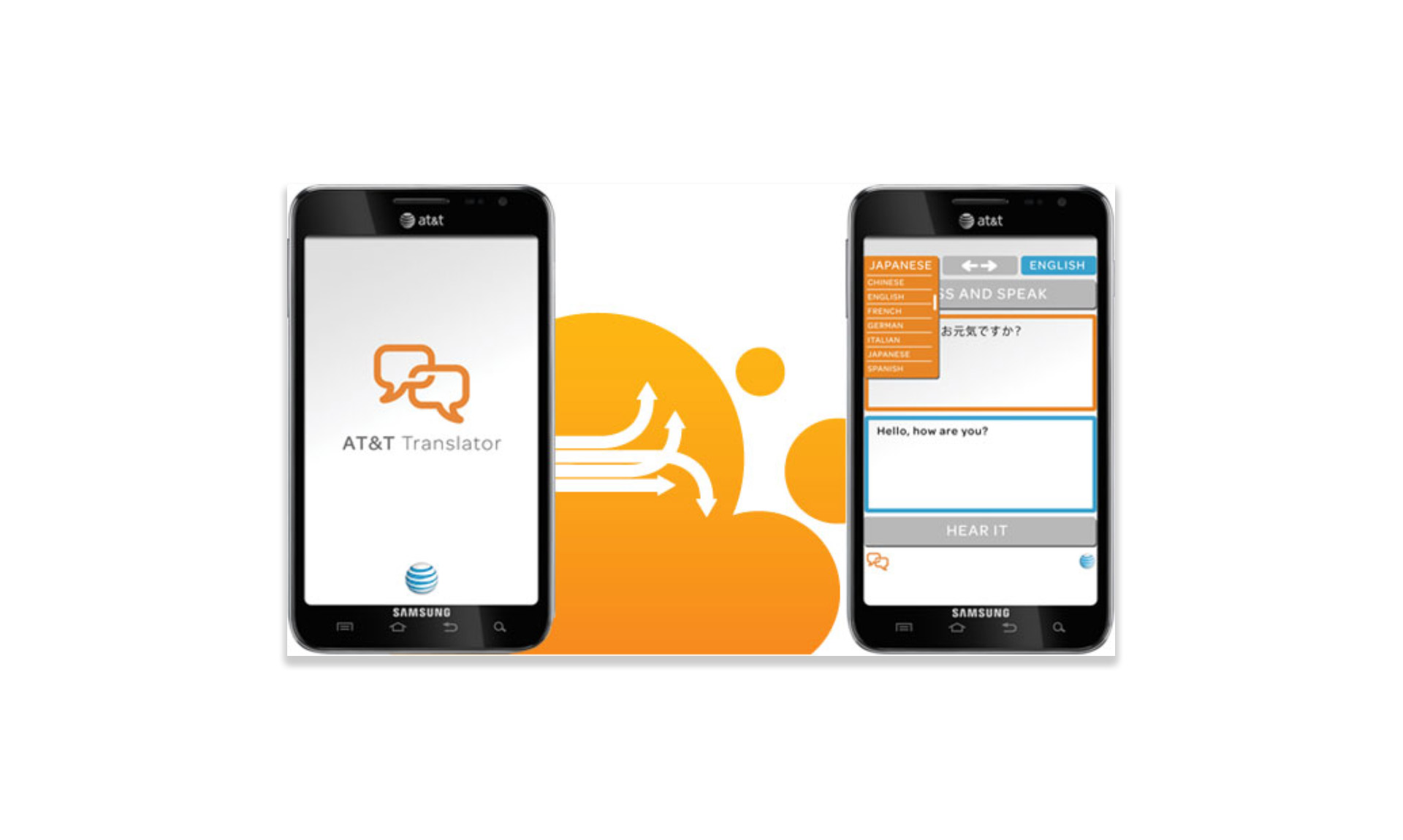
AT&T is currently pilot testing a new service on their teleconference system that translates speech between languages in real time.

Ivy Guide is a new pen translator in the concept stage that may help make learning a foreign language easier.
Since the beginning of the 21st century, the issue of how to teach children to read most effectively has become a subject of debate in American education.

The results of a new study from MIT could help identify dyslexia in children before they even begin reading.

A new study performed by the Smithsonian Institute found that ebook readers may actually be more effective at helping dyslexics with reading comprehension than traditional print books.
Karin Landerl and a team of researchers at the University of Graz, Austria investigated the numerical processing in elementary school children with dyscalculia and a control group of students with good arithmetic skills.
ChromaGen colored lenses have been approved to aid in the treatment of visual problems, but they have not been approved to treat dyslexia.

Traditionally, students with dyslexia have been identified in schools only as having a specific learning disability, rather than having their dyslexia recognized formally, and as a result, many students were not getting the assistance they required to help them with reading or other educational issues.

Neuroscientist Sarah Laszlo is on a mission to understand what is going on in children’s brains while they read.
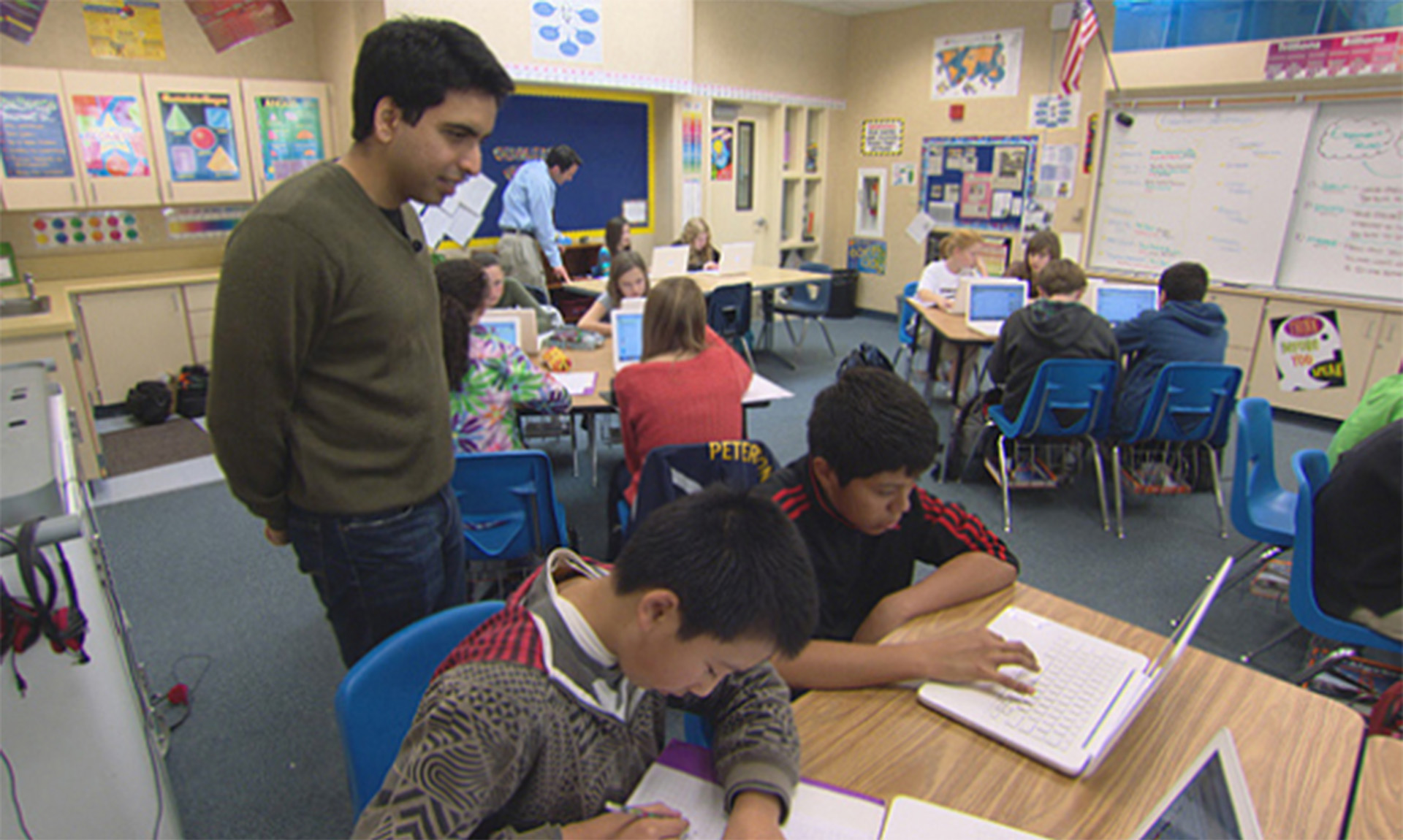
When Sal Khan uploaded a few 15-minute tutoring lessons to YouTube in order to help his seventh-grade cousin with algebra, he never imagined that his videos would one day be viewed by over 4 million pupils.

New research from King’s College London Institute of Psychiatry in collaboration with Bellvitge Biomedical Research Institute (IDIBELL) and the University of Barcelona has mapped the neural pathways involved in word learning among humans.

The C-Pen will highlight any text digitally and insert that text into any application including PC’s, laptops, android devices, Smartphones, and tablets.

Amplify Access has created an open learning platform and turnkey tablet that helps empower teachers and engage students in grades K-12.

AudioEye Communications, a Tucson based company, has teamed up with several students from the University of Arizona’s Department of Management Information Systems to help people with certain disabilities search the web more easily.
Edutopia, a site from the George Lucas Educational Foundation, is dedicated to improving the K-12 learning process by documenting, disseminating, and advocating innovative strategies that will prepare students to thrive.

A new study from Yale of the genetic origins of dyslexia and other learning disabilities could allow for earlier diagnoses and more successful interventions.

Anders Sandell has created a new book app that is more appealing to older children.

A new study from Georgetown University Medical Center has found that differences in the visual system do not cause dyslexia, but are more likely a consequence of it.

Memrise is a cool online resource that helps you learn a variety of different things including arts & literature, math & science, history, geography, and hundreds of other categories!

Kurzweil Educational Systems, a business unit of Cambium Learning Group, Inc., offers a new reporting feature called firefly which works with their Kurzweil 3000 system.

The 1in5 Initiative is a social media site that aims to bring together young people with learning disabilities.

A recent study by neuroscientists at Georgetown University Medical Center found significant differences in brain anatomy when comparing men and women with dyslexia to their non-dyslexic control groups.

The University of Chicago and the University of North Carolina have found that as early as age four-and-a-half, children begin to show high-level thinking skills in a paper titled "Early Executive Function Predicts Reasoning Development."

Ellyn Levy lists seven tips for parents in obtaining the initial IEP and what parents can do for their child throughout his or her schooling.
The National Center for Learning Disabilities has released a list of 10 tips for parents on how to help their children work around learning disabilities with the help of assistive technology.

Now, thanks to the Assistive Technology for Autism Spectrum Disorders website (AT4ASD.org), there is a list of evidence-based apps that meet certain criteria to help each individual with their learning disability depending on its severity.
Keybr.com is a simple online game to help those who struggle with typing improve their skills.

One study published in the journal Current Biology found that playing video games can help improve reading skills in dyslexics.
Chrome 25, the latest version, incorporates voice commands via Web Speech API, which will allow web page developers to use this speech recognition feature in web apps.
Based in California, Tactus created a technology, called a Tactile Layer, that replaces the cover glass—the top layer of the screen—of any touch-screen device so you can have a bumpy keyboard for easy, fast typing on anything.

Northwestern University researchers have published their research detailing a biological feature that plays an important role in reading—an area in which dyslexics struggle.
With the Sky Wi-fi Smartpen, you’re still able to take notes while recording class lectures, and these notes are now able to be accessed elsewhere.
eReadingbook has developed fun reading apps for both kids with dyslexia and adults who want to learn a foreign language.
Word Dynamo has resources for elementary-aged children through college students in a variety of subjects, like math, reading, and foreign language.
In Pictures has picture-based tutorials for many of the Microsoft Office software and other computer technologies all for free!

One of the selections from the 2012 Sundance Film Festival features four dyslexics, dyslexia professionals, and famous dyslexics in The Big Picture: Rethinking Dyslexia.
If your dyslexic student is looking for supplemental material to help him or her learn math, read, or write better, Verticy Learning has the programs you need.

Michigan’s Integrated Technology Supports is a statewide project that focuses on assistive technology to provide accessible instructional materials to those in need.

In May 2012, two representatives to Congress formed a Bi-Partisan Congressional Dyslexia Caucus to spread awareness about the learning disability.

ReadSpeaker is a text-to-speech provider that is applicable to any website

A study done at Northwestern University found that children who simply wear listening devices in their ear throughout the day show better word comprehension and reading improvement.

Open Educational Resources (OERs) have become popular in the digitization of school materials.
OERs are published under creative commons licenses, which allows them to be used by most anyone without traditional copyright restrictions. The resources are free and easy to use, which is why many schools and universities have adopted them.
Google Currents is a free app that allows you to create your own library of top publications and magazines, where you can read news and trending stories all at your fingertips.
Many studies have shown that dyslexia affects certain areas of the brain, and in a new study done by the Max Planck Institute for Human Cognitive and Brain Sciences in Leipzig, researchers targeted a new part of the brain and found results.

A great way to boost connections between what children hear and what children know is to "think aloud" by talking about your thoughts while you read.

A study done by the Children’s Hospital Boston reports significant differences in brain activity at a young age are a sign of children with dyslexia.
A recent study showed that reading practice—one of the best ways to combat dyslexia—can become easier by manipulating the spacing of the text.

The Usability/Accessibility Research Center at Michigan State University is looking for participants in a study.
There are many educational apps and online games that will help teach spelling and reading in a playful setting — while providing beneficial practice for dealing with dyslexia!
To make surfing the web and reading emails easier for people with dyslexia, many web browsers have text-to-speech plugins.

A recent study is testing a theory where reading text on an iPad or iPhone is more beneficial for people with dyslexia.

The Winter 2011 edition of Perspectives on Language, an official publication of the International Dyslexia Association has a theme of reviewing controversial therapies for dyslexia.

Are you living in the New York City area and interested in participating in a research study about dyslexia? Well the language researchers at Brooklyn College and The Graduate Center are looking for you! Take a look at the list below to see if you may qualify:
LectureTools is an interactive iPad app that combines note-taking with a student inquiry-and-response feature to connect professor with student.

MyDocStore's newest device allows users to transfer files quickly and easily between different devices – a very useful tool when you’re on the go!

Research has shown that it is difficult to see the warning signs of dyslexia until a child begins reading; however, a new study in Australia is studying five-month old babies in a project called the Seeds of Literacy.

There is a new feature for the iPhone 4s and the 3rd Generation iPad that will make it more user-friendly for those with dyslexia.

A new longitudinal study done by researchers in Italy at the University of Padua sheds new light on a possible way to prevent dyslexia.

A new scientific focus on executive functioning is helping to advance our understanding of both children and adults and their unique profile of strengths and weaknesses.

Many dyslexic students struggle with math and feel anxious about solving difficult math problems or sitting down for a math exam.
BrightStar ReaderTM is an internet-based application that improves reading fluency and comprehension for slow or reluctant readers who have Dyslexia, ADHD, Dyspraxia, or Visual ADD.

Researchers from the Massachusetts Institute of Technology have discovered that dyslexics have superior peripheral vision compared to non-dyslexics.
The transition from high school to college is difficult for any student, but even more so for students with disabilities.

In order to alleviate some of the confusion, H. Lee Swanson, Ph.D. analyzed 92 reading intervention studies to identify the teaching methods that seemed most effective for increasing word recognition and reading comprehension skills.

A new study by Cell Press finds that a specific abnormality in the processing of auditory signals accounts for the main behaviors of dyslexia.

Research findings from a neuroimaging study conducted at Children's Hospital Boston and published in the Proceedings of the National Academy of Sciences tell us that brain abnormalities are evident in young children at risk for dyslexia before showing symptoms of dyslexia and well before a diagnosis is made.

A Swiss study shows that taking up a musical instrument could create a powerful stimulus for the brain and might even improve IQ by up to seven points in both adults and children.
Dyslexia research continues to focus on discovering causes and intervention techniques, but more recently there has been a shift to also examine the various abilities/strengths dyslexics possess.
Scientists at MIT have discovered that dyslexics have trouble recognizing voices speaking their own language.
A study published in the Journal of Cognitive Neuroscience suggests that most readers "speak" voices in their heads while reading dialogue in books.

A study conducted at the Stanford University School of Medicine used brain imaging to predict which teenagers with dyslexia would improve their reading skills overtime.

If you ask most elementary school students what their favorite subject is, it’s a pretty safe bet that not many will say math.

A study has been conducted by the University of Missouri in 12 different public schools in an attempt to determine the early warning signs of math disabilities in children.

December has arrived and with it comes the promise of Christmas cookies, the lighting of the Menorah, quality time with families, and a much needed break from work and school.
Dr. John Gabrieli from MIT, our own colleague Dr. Ioulia Kovelman from the University of Michigan, Dr. Maryanne Wolf from Tufts University, and others from Harvard and the Children’s Hospital of Boston evaluated the brain function of typical and dyslexic readers when engaged in phonological awareness tasks with some very interesting results!
A recent brain-imaging study has confirmed the theory that dyslexia and IQ are independent.
Dyslexia in the WorkPlace: An Introductory Guide, 2nd Edition covers all the key areas to aid in success in the workplace – assessment, accommodations, overlapping conditions, assistive technology, self-esteem, and legal issues.
Laura Kaloi, the Public Policy Director of the National Center for Learning Disabilities (NCLD), spoke recently to the United States House of Representatives Subcommittee on Early Childhood, Elementary and Secondary Education in regards to the Elementary and Secondary Education Act (ESEA) and its importance to students with learning disabilities.
Parents, take a look at Response to Intervention (RTI): A Primer for Parents by LD Online.
The annual IDA Conference begins today in Chicago, IL, and an award-winning documentary has been a special conference feature for two consecutive years.
The Michigan Family-to-Family Health Information and Education Center is working to empower families of children with disabilities and improve their access to care and support.
Come see Pulitzer Prize winner Philip Schultz read from his new memoir, My Dyslexia!
Released to the public this month, Success and Dyslexia is a new resource aimed at helping dyslexics manage their disability and take control of their lives.
On June 26, 2011, the International Dyslexia Association announced a new initiative to support the parents of dyslexic children by offering them a discounted membership to the IDA site.
Are you wondering if now is the right time to find additional professional help for your child?
Experienced teacher Joan Brennan, wanting to help her students focus on the texts they were trying to read so that they would comprehend them better, invented the Reading Focus Card.
New neurological studies are showing that our knowledge of how the human brain functions and learns could be the key to more effective teaching of children with learning disabilities.
Learn about how Dan Malloy, the current governor of Connecticut, overcame his struggles in his early education and went on to accomplish amazing things!
Forty-five out of fifty states have adopted the Common Core State Standards (CCSS), a set of state-led educational standards
In June 2010, a set of state-led education standards known as the “Common Core State Standards” (CCSS) were released in the United States and have been adopted by forty-four of the fifty states along with the District of Columbia and the U.S. Virgin Islands.
This past summer, 45 college admissions deans from across the country met at Stanford University to learn about high-achieving dyslexic applicants.
Collin Corkum proves that anyone can be a player when it comes to helping those who are dyslexic – no matter what age they are!
For children showing early signs of dyslexia or other reading challenges, The Luma Center has introduced a new program, Nemours BrightStart!, a pre-reading program for young children.

We have some must-read pieces about what you should expect going into your child's IEP meeting.
Ben Foss developed the Intel Reader for the purpose of alleviating the problems from his dyslexia!
The Livescribe Smartpen allows you to record your class lectures while you take notes, creating an invaluable visual and auditory guide.

eLibrary is an online database that is great for researching popular topics, doing homework, creating presentations and writing research papers.

Fernette and Brock Eide, husband and wife team, are generating a lot of talk about their book, The Dyslexic Advantage, in which they espouse the idea that there are many strengths that grow out of having a dyslexic brain.

Former teacher Sonya Bridges has found a way to help others by using the lessons she learned from struggling with dyslexia in her youth.
As the new school year progresses, instead of breaking open your own bank accounts to buy items your classrooms need, check out this website that gives online resources that may help you receive free money and supplies!
Dyslexic children and adults who undergo reading intervention have demonstrated behavioral improvements including improved single word reading, pseudoword reading, reading comprehension, phonemic awareness, rapid naming, and symbol imagery.
The Learning Disabilities Association (LDA) of Michigan will be hosting their annual fall conference on November 14th and 15th at the Kellogg Hotel and Conference Center in East Lansing.
Bella Thorne is a star on Disney Channel’s new show, Shake it Up. Both she and her portrayed character are learning to live with dyslexia.
If your student is struggling with reading, check out this resource; Effective Instruction for Adolescent Struggling Readers: Second Edition.
In an article entitled What are Classrooms Like for Students with Learning Disabilities?, Kate Garnett delves into common classroom practices that make it difficult for students with disabilities to learn, and how to avoid them.
Marilyn Nippold succinctly highlights the reasons that speech-language pathologists belong in the classroom working side by side with classroom teachers to assist children with language disorders.
The Yale Center for Dyslexia is a site that discusses breakthroughs in dyslexia research and offers encouragement to people with dyslexia.
With the new school year right around the corner, it’s important to remember that not all ingrained practices in schools will necessarily be beneficial for all; a prime example – assignment notebooks.
With the passing of the No Child Left Behind Act by George W. Bush in 2002, schools were faced with the challenge of testing students to show their academic progress.
Communication Strategies for All Classrooms: Focusing on English Language Learners and Students with Learning Disabilities offers teachers some suggestions to help them communicate most effectively with all students, especially those with auditory and language difficulties.
Alex Green proves to us that, when armed with the knowledge of how to battle the struggles of dyslexia, anything is possible – including being drafted to the Green Bay Packers!
According to recent findings released by the Basque Centre on Cognition, Brain, and Languages (Spain), human beings have an amazing ability to mentally rotate words and letters reflected in a mirror during the early stages of visual processing, allowing for automatic understanding.
Ohio House Bill 157, authored by Certified Academic Language Therapist Rebecca Tolson with the support of the Northern Ohio Branch of the International Dyslexia Association, is an advocacy measure for children with dyslexia.
In an article published by The Wall Street Journal on June 20, British researchers claim to have identified a link between musical ability and reading comprehension.
Although dyslexics have often posited that their learning disability confers specific advantages, the number of professional athletes who credit dyslexia with their talents is growing.
As reported by The Wall Street Journal in its July 5 issue, emergent research in neuroscience and fMRI imaging suggests that dyslexics have an easier time learning pictorial languages—like Chinese and Japanese— than they do languages like English.
On July 18, inventor and dyslexic Tom Pellereau was named the winner of The Apprentice UK.
Diagnosed with dyslexia at age 14, Patricia Polacco is now a nationally renowned illustrator and author of several popular children’s books, including Thunder Cake, Bun Bun Button, and Just Plain Fancy.
At visual-literacy.org, you can familiarize yourself with numerous methods of visual representation via the Periodic Table of Visualization Methods (including real-life examples of a story template, learning map, and Venn diagram).
On June 21, researchers at the Karolinska Institute in Sweden discovered that DCDC2, one of the many genes linked to dyslexia, has a very unusual and previously unknown function: it regulates the cilia, or antenna-like projections, that cells use to communicate.
If you are an educator or parent involved in the IEP drafting process, we recommend you read “Writing IEP Goals” by Special Education Consultant Ruth Heitin.
In their book titled The Dyslexic Advantage, scheduled for publication beginning August 18, 2011, Drs. Brock and Fernette Eide discuss emerging evidence in the field of neuroscience which suggests that people with dyslexia possess unique cognitive gifts.
LD Resources is a “one stop shop” for must-know information on various aspects of learning disabilities.
In his interview titled “The Education Gap”, Reid Lyon, former Chief of the Child Development and Behavior branch of the National Institute of Child and Human Development, discusses the importance of bridging the gap between what we know about reading development in young children, and what we can do to facilitate it in struggling readers
On the LDA of Michigan Facebook page, Kathleen Kosobud recently posted a link to a series of posts by The Princeton Review for students with a learning disability or ADHD who are transitioning from secondary education to a college or university setting.
The 411 on Disability Disclosure: A Workbook for Youth with Disabilities is designed for youth and adults working with them to learn about disability disclosure.
Did you know that many of the world's most successful CEOs turned their learning disabilities into "learning opportunities"?
Techno Dys is a technology blog geared toward tech-savvy dyslexics that provides users with links to download full and trial versions of dyslexic-friendly software for accessibility and recreational purposes.
In her lecture, “Dyslexia as a Cross-Cutting Research Area,” Peggy McCardle, Ph.D., M.P.H., discussed learning disabilities as an important, cross-cutting area of research.
The National Collaborative on Workforce and Disability (NCWD) for Youth offers The 411 on Disability Disclosure: A Workbook for Youth with Disabilities.
Here are two online libraries that offer incredibly vast collections of accessible, downloadable reading material designed for individuals with dyslexia and learning disabilities.
We hope to see you on the UM campus to hear Dr. Peggy McCardle from NIH give her talk on "Dyslexia as a Cross-Cutting Research Area" at 3:30 p.m. in the Rackham Graduate School.
A relatively new feature for the iPod, iPad, and iPhone is text-to-speech software through VoiceReader.
iMovie is another powerful and versatile tool that is ready-to-use on the Mac
If you’re considering purchasing one of these devices and aren’t sure which one would best meet your needs, here is some basic information to help you compare devices.
Here is an article from the Online Education Database chock full of ways -- 100 of them to be exact -- that your iPod can be used to help you learn and study.
The Institue for Human Adjustment at UM is excited to announce this upcoming talk in its spring lecture series about dyslexia.
We found this informative blog on Education Week about the recent memo from the Office of Special Education stating that the response-to-intervention (RTI) process should not delay a child getting an initial evaluation for a suspected delay.
A student describes the difficulties he had at various schools because he couldn't read
The video chronicles her life from when her parents were informed that she was profoundly retarded in 4th grade up until the present when Ryann is in law school and doing well.
This video by The Power of Dyslexia shares personal quotes or facts about famous dyslexics and their experiences with dyslexia.
Five high school students get personal as they talk about their experiences with dyslexia and other learning disabilities in a panel interview from 2007.
This article on EdWeek reiterates that more research must be done with electronic devices before they can be advocated for helping students with learning disabilities in schools.
In the article by Benedict Carey on The New York Times, Carey contradicts traditional study methods and questions why schools haven’t begun using proven, effective approaches.
This video documentary from the Southwest Branch of the International Dyslexia Association documents the successes of ten people with dyslexia, who explain in their own words their personal struggles and the steps they took to gain success and develop their own talents.

SLPs can help students understand complex sentences and vocabulary, comprehend written and oral information, and compile thoughts for speaking and writing.

Why is it important to think about my child's literacy learning before he or she begins formal schooling?

Your first year at college can be challenging whether you are dyslexic or not. Use these six tips to prepare for your first semester and get your college career off to a positive start!
Featured Success Story
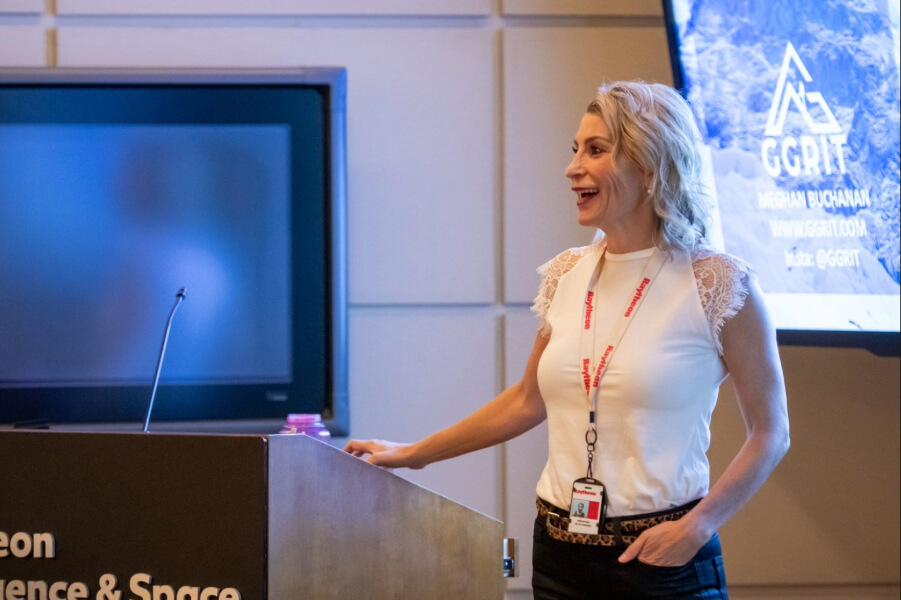
In second grade, Meghan’s parents were told by her pediatrician that she would not achieve much academically. Her mom did not buy into it, though, and instead helped her everyday to improve her spelling.
Recent Newsletters

Join our email list
Subscribe to receive
The Latest from DyslexiaHelp
every other month.
Success starts here!
About us
Our goal is to help individuals with dyslexia, as well as parents, employers, and professionals of all kinds who have the privilege to work with dyslexics to better understand dyslexia and language disability, including current research findings and how to design intervention contexts based on best practices.
Contact us
DyslexiaHelp
University of Michigan
Marsal Family School of Education
610 East University Avenue
Ann Arbor, Michigan 48109-1259

© 2026 The Regents of the University of Michigan. All Rights Reserved.
The Latest on Dyslexiamike2026-06-05T17:33:03+00:00
Go to Top