
Dr. Michael Ryan considers whether showing your work matters if the answer is correct.
In order to alleviate some of the confusion, H. Lee Swanson, Ph.D. analyzed 92 reading intervention studies to identify the teaching methods that seemed most effective for increasing word recognition and reading comprehension skills.
A new study by Cell Press finds that a specific abnormality in the processing of auditory signals accounts for the main behaviors of dyslexia.

The Power of Morphology
Morphological awareness is the recognition, understanding, and use of word parts that carry significance, but it is often overlooked in the learning process. Learn activities that help integrate morphological awareness for students learning to read and write.
Dr. Michael Ryan shares five more tips to help dyslexics succeed at work.
A study conducted at the Stanford University School of Medicine used brain imaging to predict which teenagers with dyslexia would improve their reading skills overtime.
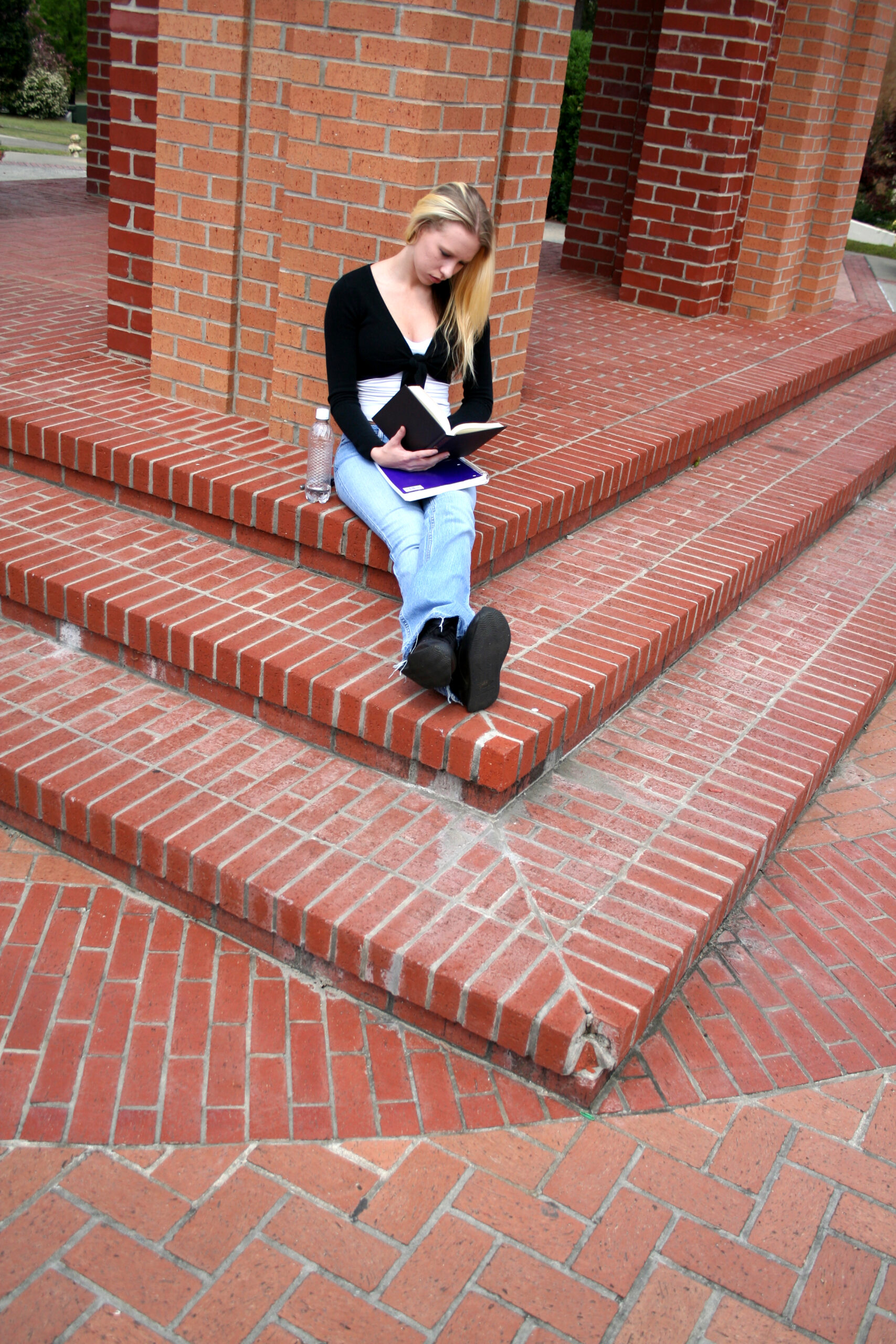
A student with disabilities may need certain accommodations in the classroom such as extra time on exams, assistance with note-taking, or dictating an essay orally. If you’re wondering which accommodations are appropriate for you, and how these accommodations will affect your performance in the classroom, we have a must-read piece for you!
The annual IDA Conference begins today in Chicago, IL, and an award-winning documentary has been a special conference feature for two consecutive years.
New neurological studies are showing that our knowledge of how the human brain functions and learns could be the key to more effective teaching of children with learning disabilities.

Success starts here!
About us
Our goal is to help individuals with dyslexia, as well as parents, employers, and professionals of all kinds who have the privilege to work with dyslexics to better understand dyslexia and language disability, including current research findings and how to design intervention contexts based on best practices.
Contact us
DyslexiaHelp
University of Michigan
Marsal Family School of Education
610 East University Avenue
Ann Arbor, Michigan 48109-1259



© 2026 The Regents of the University of Michigan. All Rights Reserved.