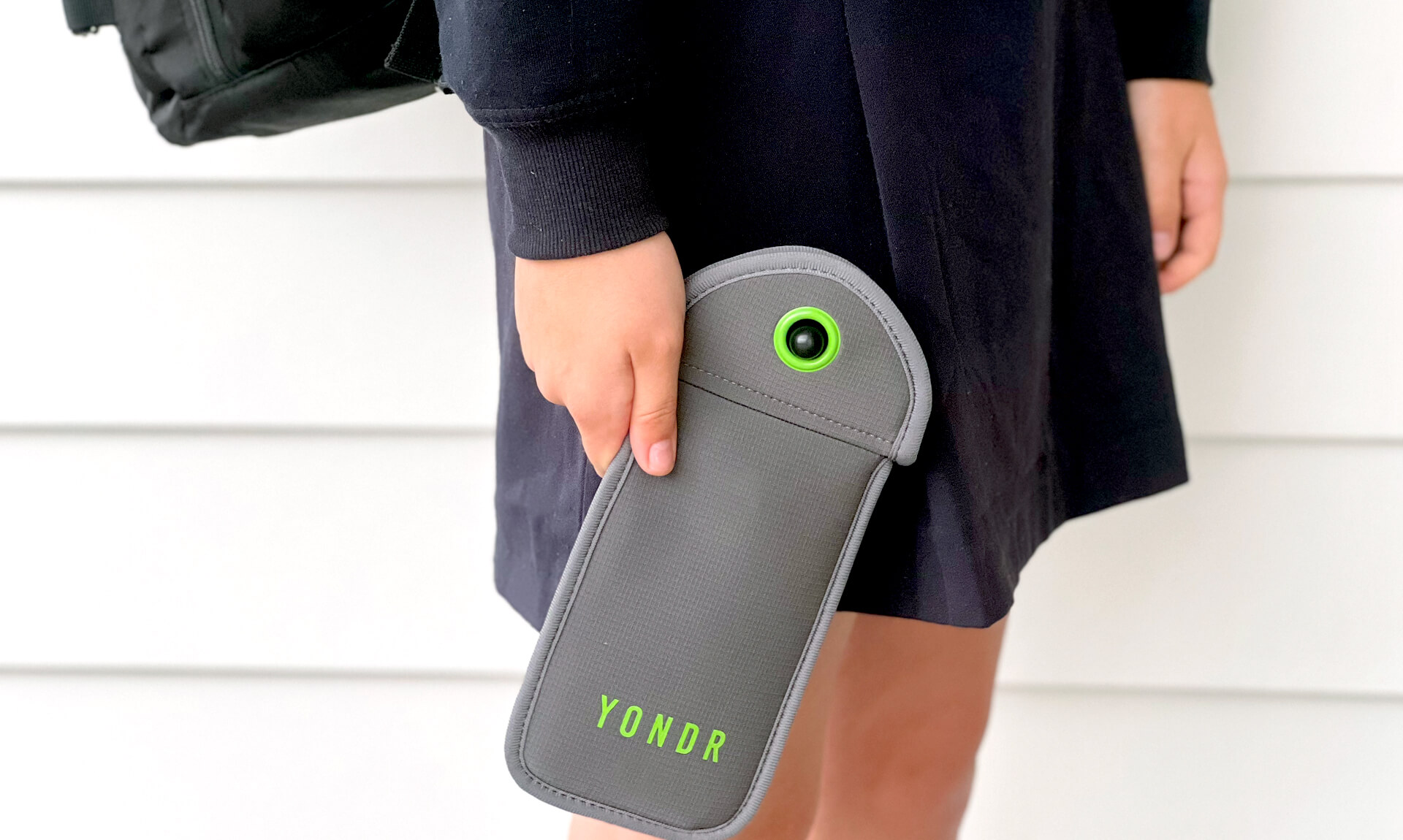
As schools across the country look for ways to reduce distractions and improve student focus, many have turned to lockable cellphone pouches. A new University of Michigan-led study offers one of the most comprehensive looks yet at whether these policies actually work—and the answer is more nuanced than many expected.
For years, educators and parents have debated whether limiting smartphone access during the school day could improve student outcomes. A new study led by Brian A. Jacob of the Gerald R. Ford School of Public Policy examined the impact of lockable cellphone pouches used in middle and high schools across the United States. The research found that the pouches were highly effective at reducing student phone use during the school day.
The study revealed that while phone restrictions did not significantly improve test scores, attendance, classroom attention, or online bullying, they did produce meaningful changes in school culture. Researchers observed an adjustment period during the first year, with increases in disciplinary incidents and temporary declines in student well-being as students adapted to the new rules.
Over time, however, those effects shifted. Student well-being improved, disciplinary issues subsided, and teachers reported greater satisfaction with classroom environments. Jacob noted that reducing phone use alone is not a guarantee of academic gains, but the findings suggest that creating phone-free learning environments may help foster healthier social interactions and improve students’ overall school experience.



Join our email list
Subscribe to receive
The Latest from DyslexiaHelp
every other month.