

What happens when students don’t have good executive functioning skills?
Your friend Theresa stops over. She’s not on your to-do lists or your calendar, but you let her in nonetheless and consequently spend thirty minutes talking to her, which stops you from completing your reading assignment.
Scientists at MIT have discovered that dyslexics have trouble recognizing voices speaking their own language.
Dr. Michael Ryan shares five more tips to help dyslexics succeed at work.
Who among us hasn’t rooted for Indiana Jones as he ran to avoid being crushed by a giant boulder, gasped at the thought of great white sharks or dinosaurs plaguing society, or teared up as we watched E.T. fly home?
December has arrived and with it comes the promise of Christmas cookies, the lighting of the Menorah, quality time with families, and a much needed break from work and school.
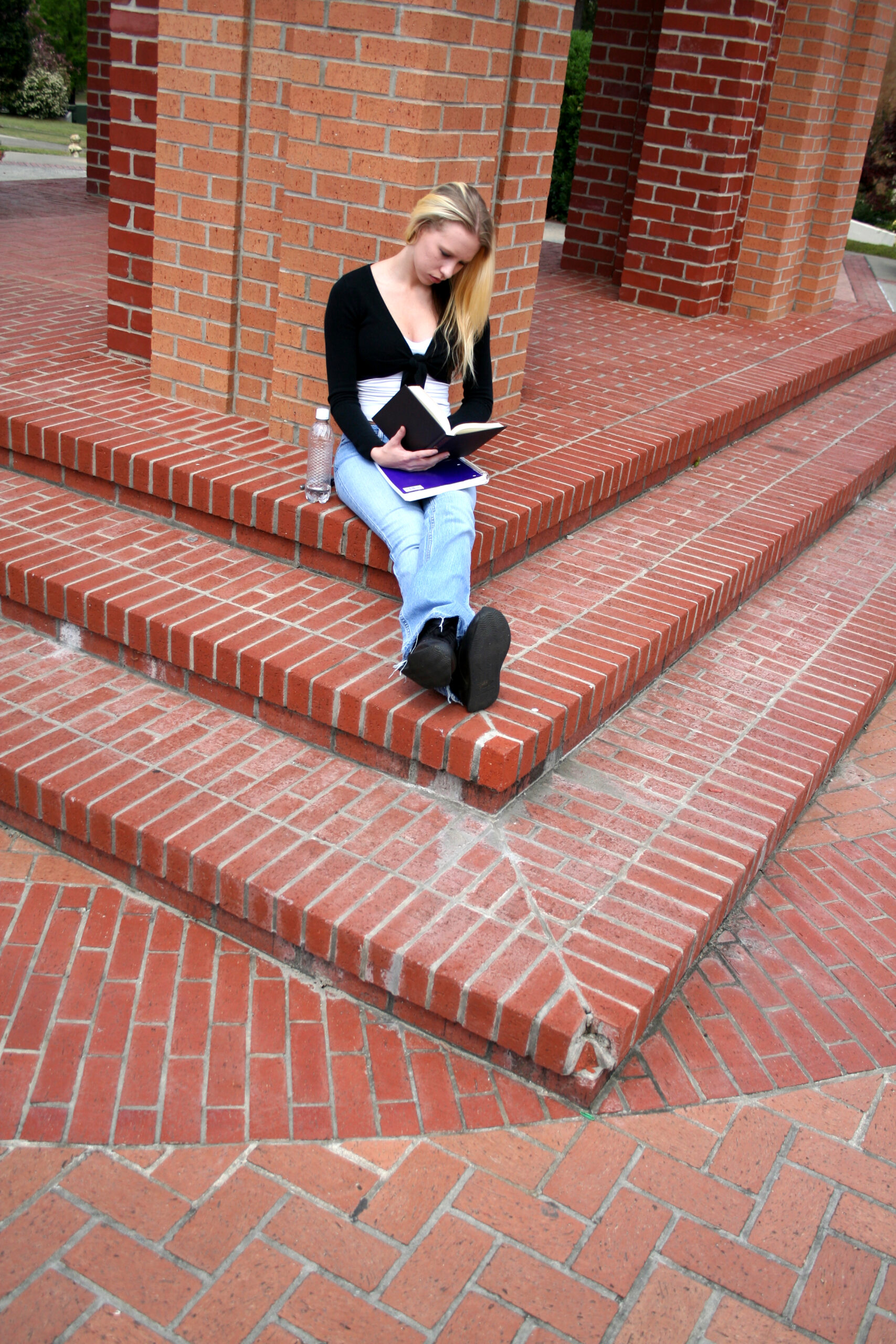
A student with disabilities may need certain accommodations in the classroom such as extra time on exams, assistance with note-taking, or dictating an essay orally. If you’re wondering which accommodations are appropriate for you, and how these accommodations will affect your performance in the classroom, we have a must-read piece for you!
Dyslexia in the WorkPlace: An Introductory Guide, 2nd Edition covers all the key areas to aid in success in the workplace – assessment, accommodations, overlapping conditions, assistive technology, self-esteem, and legal issues.
Laura Kaloi, the Public Policy Director of the National Center for Learning Disabilities (NCLD), spoke recently to the United States House of Representatives Subcommittee on Early Childhood, Elementary and Secondary Education in regards to the Elementary and Secondary Education Act (ESEA) and its importance to students with learning disabilities.
Dr. Michael Ryan shares five tips to help dyslexics succeed at work.

Success starts here!
About us
Our goal is to help individuals with dyslexia, as well as parents, employers, and professionals of all kinds who have the privilege to work with dyslexics to better understand dyslexia and language disability, including current research findings and how to design intervention contexts based on best practices.
Contact us
DyslexiaHelp
University of Michigan
Marsal Family School of Education
610 East University Avenue
Ann Arbor, Michigan 48109-1259



© 2026 The Regents of the University of Michigan. All Rights Reserved.