
Dr. Michael Ryan shares five more tips to help dyslexics succeed at work.
A study conducted at the Stanford University School of Medicine used brain imaging to predict which teenagers with dyslexia would improve their reading skills overtime.
If you ask most elementary school students what their favorite subject is, it’s a pretty safe bet that not many will say math.
A study has been conducted by the University of Missouri in 12 different public schools in an attempt to determine the early warning signs of math disabilities in children.
Dr. John Gabrieli from MIT, our own colleague Dr. Ioulia Kovelman from the University of Michigan, Dr. Maryanne Wolf from Tufts University, and others from Harvard and the Children’s Hospital of Boston evaluated the brain function of typical and dyslexic readers when engaged in phonological awareness tasks with some very interesting results!
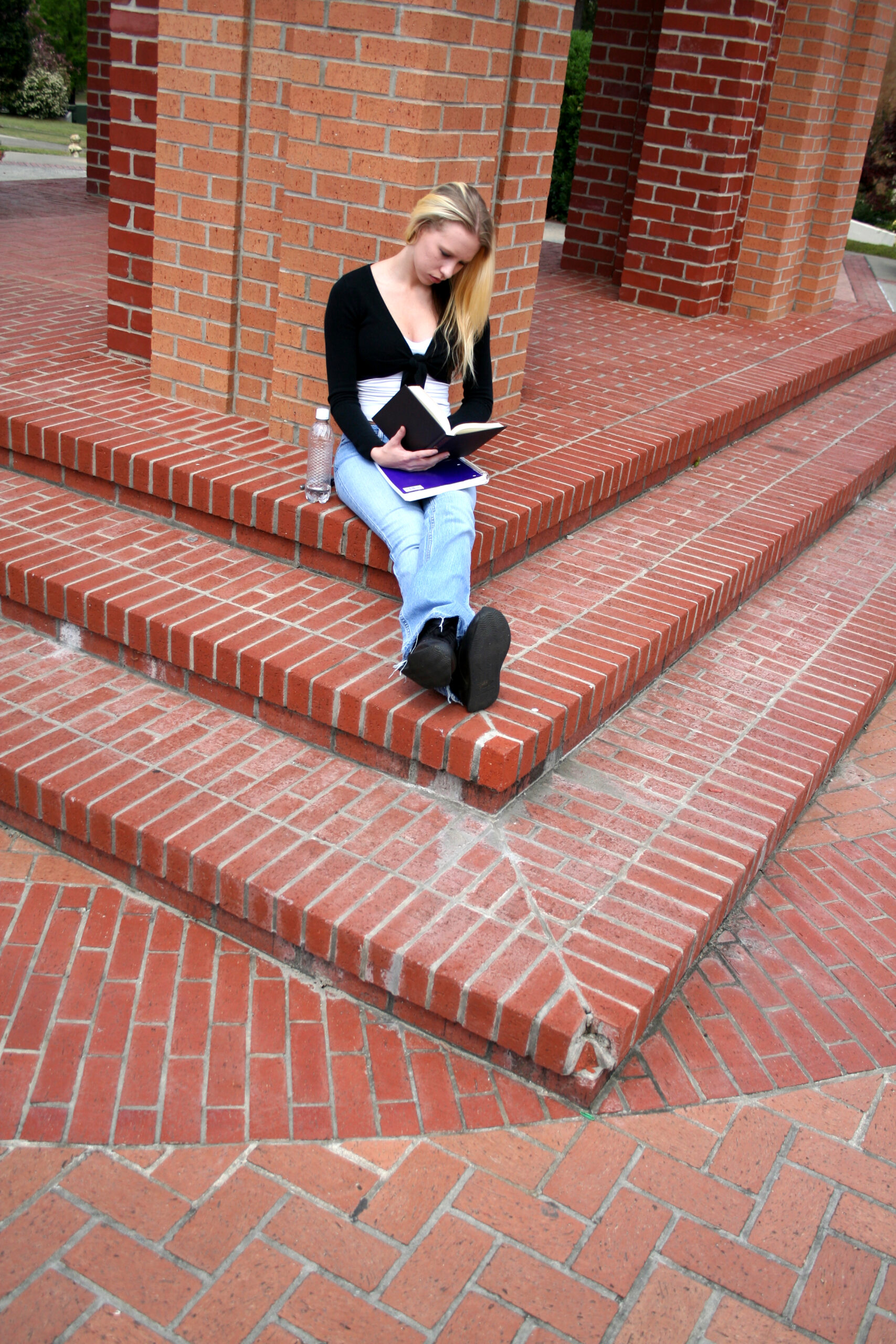
A student with disabilities may need certain accommodations in the classroom such as extra time on exams, assistance with note-taking, or dictating an essay orally. If you’re wondering which accommodations are appropriate for you, and how these accommodations will affect your performance in the classroom, we have a must-read piece for you!
A recent brain-imaging study has confirmed the theory that dyslexia and IQ are independent.
Dyslexia in the WorkPlace: An Introductory Guide, 2nd Edition covers all the key areas to aid in success in the workplace – assessment, accommodations, overlapping conditions, assistive technology, self-esteem, and legal issues.
Laura Kaloi, the Public Policy Director of the National Center for Learning Disabilities (NCLD), spoke recently to the United States House of Representatives Subcommittee on Early Childhood, Elementary and Secondary Education in regards to the Elementary and Secondary Education Act (ESEA) and its importance to students with learning disabilities.


Success starts here!
About us
Our goal is to help individuals with dyslexia, as well as parents, employers, and professionals of all kinds who have the privilege to work with dyslexics to better understand dyslexia and language disability, including current research findings and how to design intervention contexts based on best practices.
Contact us
DyslexiaHelp
University of Michigan
Marsal Family School of Education
610 East University Avenue
Ann Arbor, Michigan 48109-1259



© 2026 The Regents of the University of Michigan. All Rights Reserved.